 View 1 photo
Deck Building
Decks · Charlotte, NC
Low-maintenance composite decks built to code, and composite boards that give an existing deck a new surface without sanding or staining.
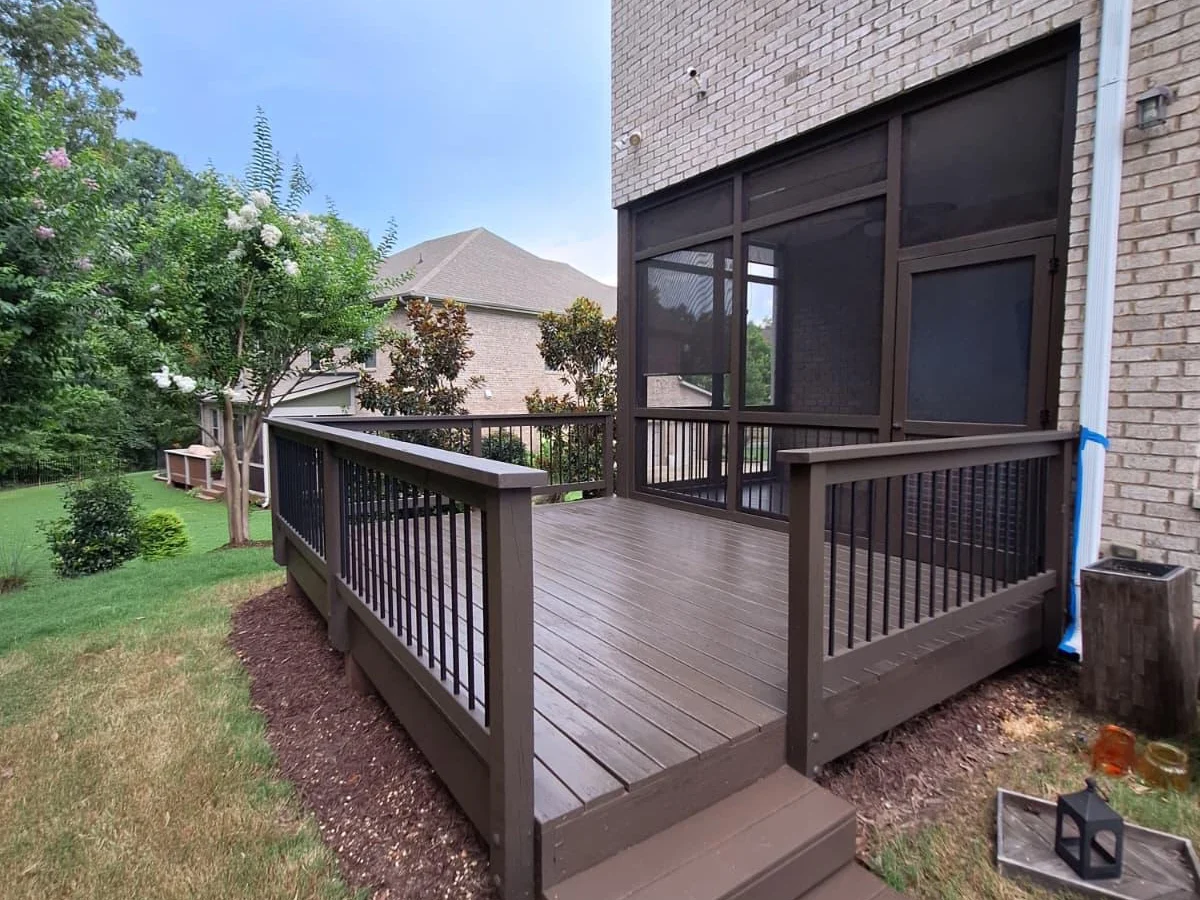
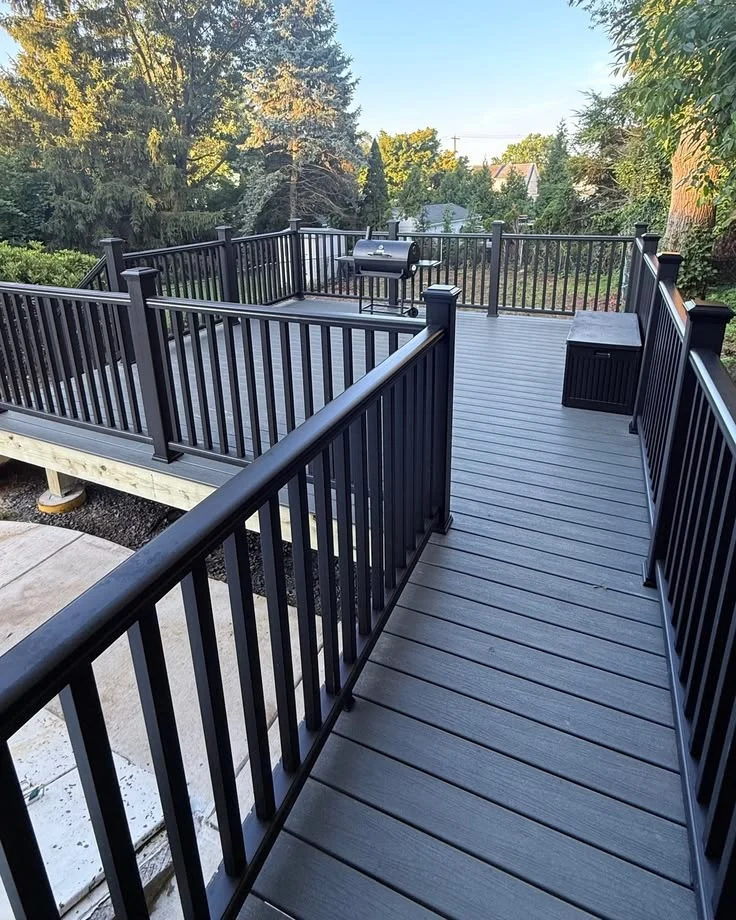
Custom composite decks framed to code on deep footings.
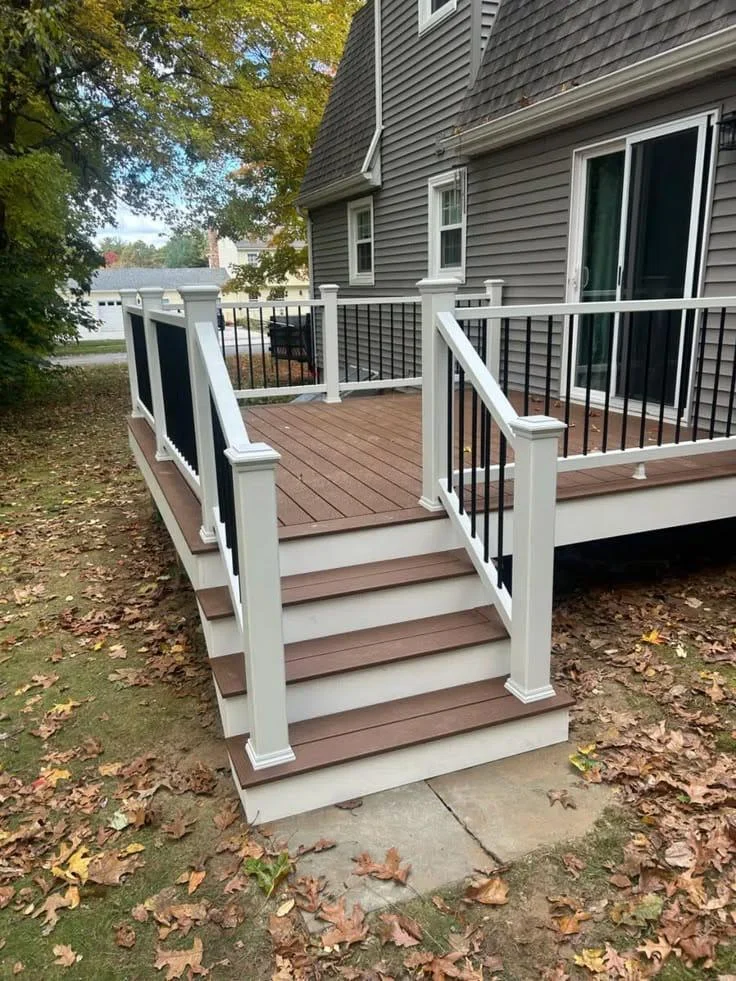
Old wood decking replaced with composite boards on a sound frame.
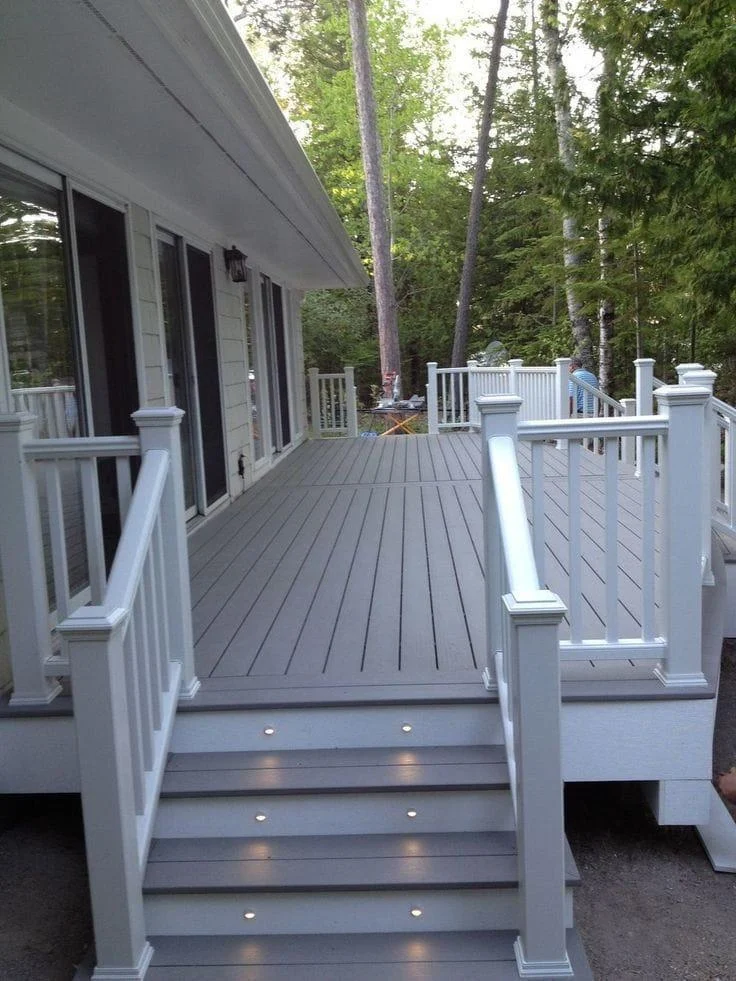
Stairs, handrails and wood or aluminum railings to finish the deck.
On an existing deck, the frame is checked and repaired before the composite boards go on.
View 1 photo
Deck Building
 View 1 photo
Deck Building
 View 1 photo
Deck Building
 View 1 photo
Deck Building
 View 1 photo
Deck Repair
Call us or send a request online with a few details about your deck or fence project.
We visit your property and take accurate measurements of the space.
You receive a detailed written quote with clear, upfront pricing and no hidden fees.
We build to code, protect your lawn and clean up the jobsite every day.
Composite boards are low-maintenance: no sanding or staining. They cost more to install than pressure-treated wood, and in return they need less upkeep over the years.
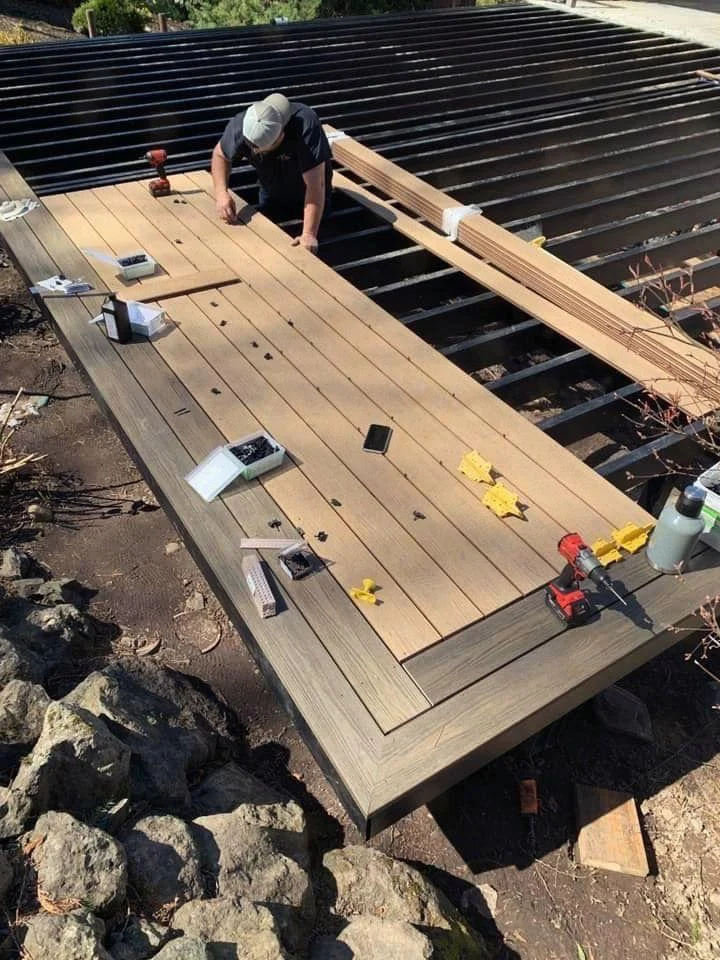
A composite deck starts like any deck we build: an accurate site measurement and a written breakdown of the joist spacing, the post footing depth and the lumber grades. The frame is built to code, with deep footings, heavy-duty ledger flashing and corrosion-resistant hardware, and the composite boards, stairs and railings go on top.
If the frame of your deck is sound but the wood boards are worn out, composite boards can replace them. During the free estimate we check the joists, beams and posts, and damaged framing is repaired before the new surface goes on.
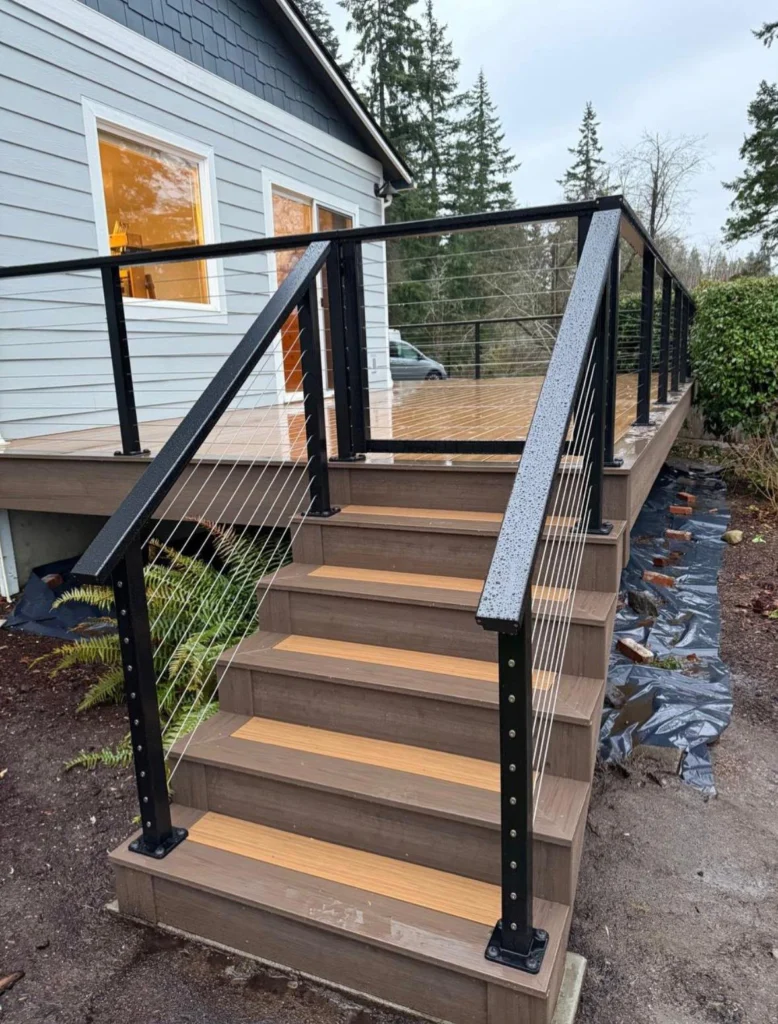
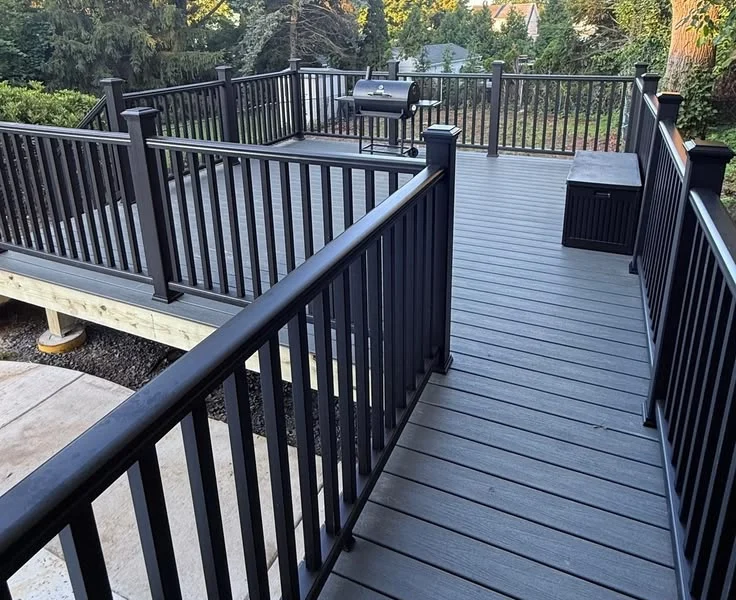
Finish the deck with stairs and handrails, and choose wood railings or low-maintenance aluminum railings in a range of finishes.
Pressure-treated wood usually costs less up front and can be stained and sealed to suit your home, but it needs cleaning and refinishing every so often. Composite costs more to install and needs less care. We can go over both on site.
Composite boards are made to look like wood, but they don’t rot or splinter the way wood does, and they come in a range of colors and textures. Darker colors get hotter in direct sun, and like any deck surface, composite needs an occasional wash to keep dirt, pollen and mildew off.
New boards don’t make an old frame stronger. Some composite boards, and any boards laid on a diagonal, need joists closer together than wood decking does. That is why the frame is checked before composite goes on an existing deck, and any framing work is listed in the quote.
Sweep off leaves so they don’t sit on the surface and stain it, and wash the deck with soap, water and a soft brush from time to time. Check the board maker’s care guide before using any other cleaner or a pressure washer.
We measure the space and talk through the boards, stairs and railings with you. You get a written, line-item quote with no hidden fees.

Often, yes. If the framing is sound, we replace the old wood decking with composite boards. We check the framing during the free estimate.
No. Composite boards don’t need sanding or staining.
Both are good choices. Pressure-treated wood usually costs less up front and can be stained; composite costs more to install and needs less upkeep. The right one depends on your budget and the look you want.
It can, especially darker colors in full sun. Lighter colors stay cooler, which is worth keeping in mind for a deck that gets afternoon sun.
Yes. A new composite deck comes with a 2-year warranty. Composite boards on an existing deck count as remodeling and come with a 1-year warranty.
It depends on the size and height of the deck, the boards, stairs and railings you choose, and whether it is a new deck or new boards on an existing frame. After a free on-site measurement you get a written, line-item quote with no hidden fees.
Custom pressure-treated and composite decks with stairs and railings, built to code.
Old or damaged decking replaced with new pressure-treated or composite boards.
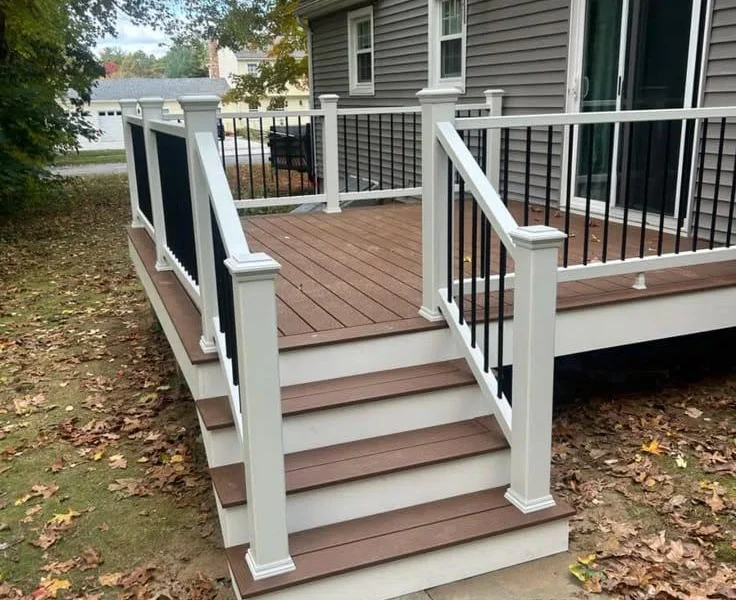
New stairs, handrails, wood railings, aluminum balusters and railing upgrades.
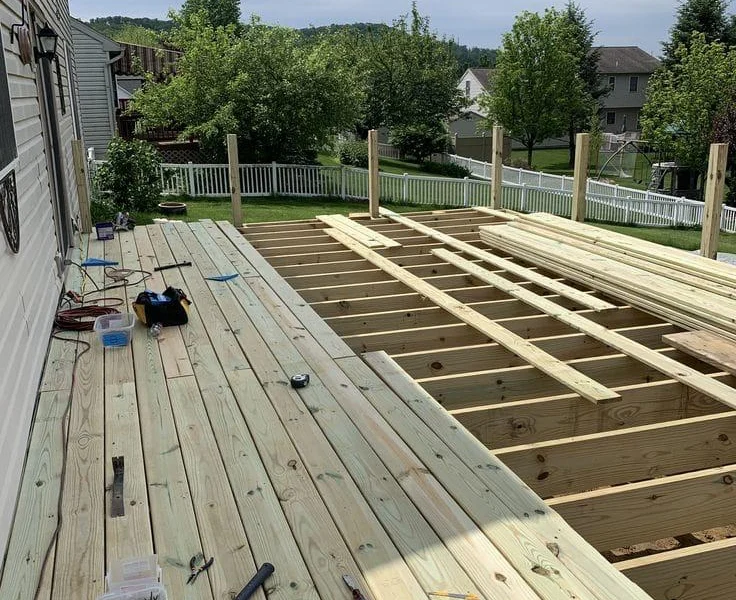
Rotted boards, sagging joists, loose stairs or railings: repairs, new boards and refinishing.
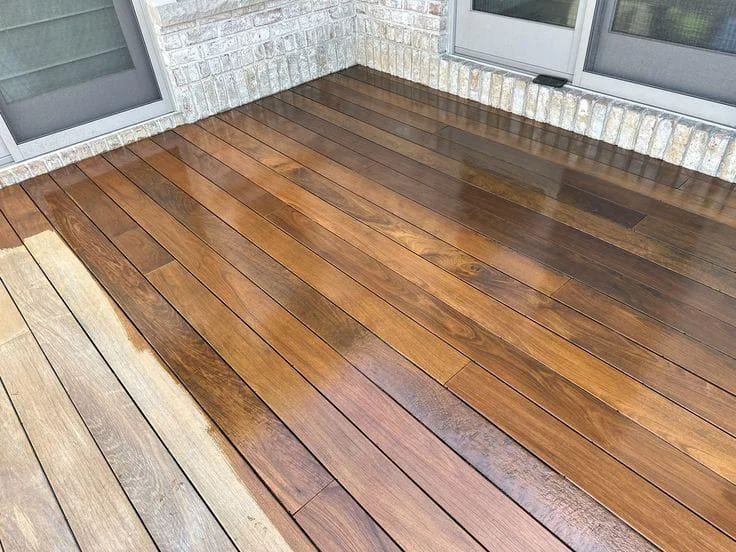
Sanding, surface preparation, staining, sealing and protection of existing decks.
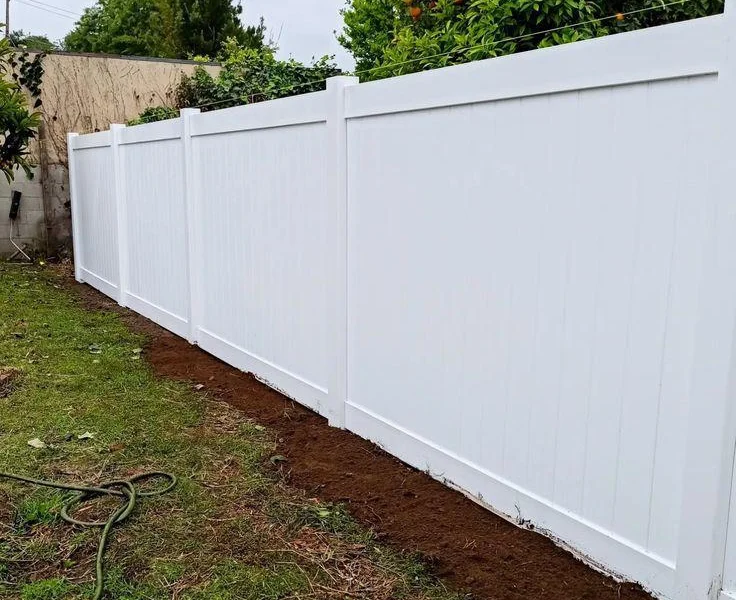
Privacy, picket and custom fences in wood, vinyl, aluminum or composite, plus gates.
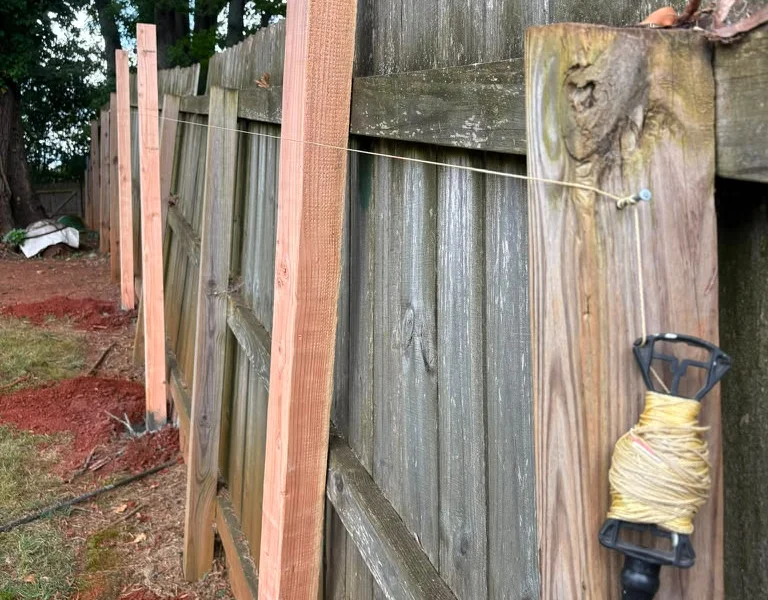
Broken or rotted posts replaced with concrete-set posts, gate repair, staining and restoration.
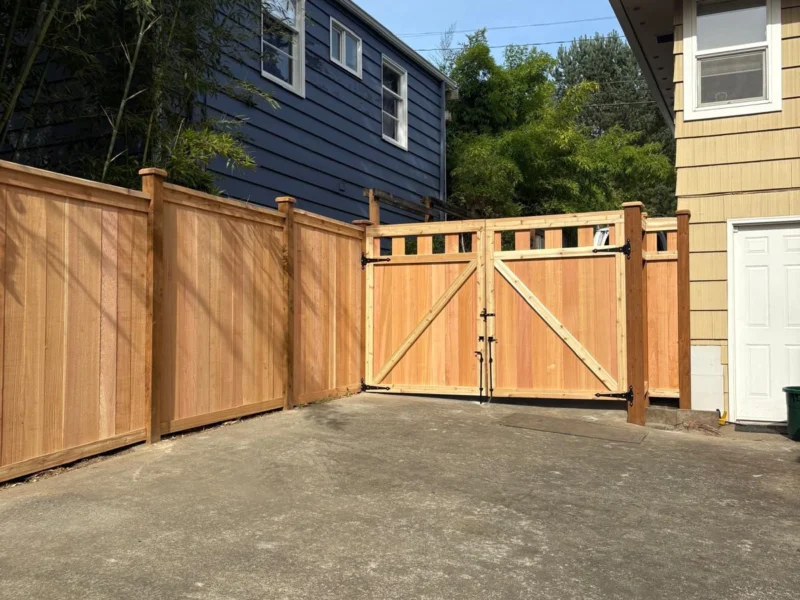
New gate construction, gate replacement, hinges, latches and hardware.
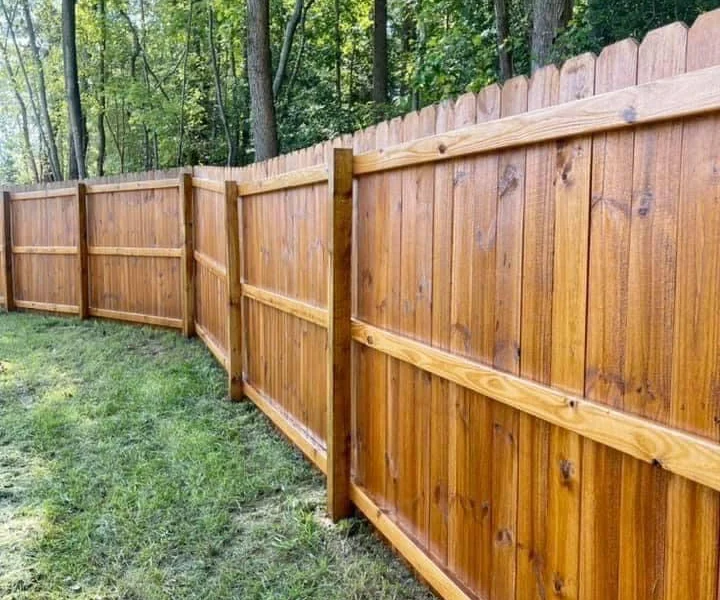
Staining and sealing to protect wood fences from weather, moisture and sun.
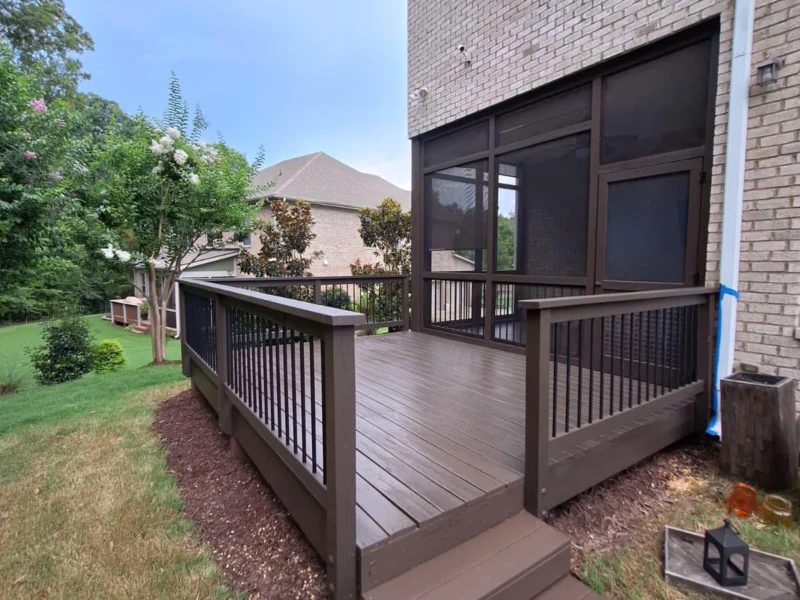
Complete restoration of older decks and fences: repairs, cleaning, sanding and refinishing.
Get a straightforward, no-pressure estimate: we measure on site and give you a clear, upfront quote.